Managing a fleet properly is the key for every fleet based business. It is not just about keeping all the vehicles on the road. Businesses must coordinate drivers, monitor vehicle conditions, manage maintenance schedules, track fuel consumption, and maintain accurate operational records. With the expansion in the fleet, handling these responsibilities becomes difficult. Some challenges fleet businesses face are disconnected systems, delayed maintenance, poor vehicle utilization, and limited operational visibility. These can affect productivity and increase business expenses. Moreover, these challenges also make it harder for fleet managers to respond instantly.
To overcome these issues, fleet management software provides a centralized way to manage these activities. By bringing essential fleet operations into one digital platform, businesses can simplify processes, improve coordination, and make informed decisions.
Let’s explore how this technology helps businesses improve fleet efficiency and overcome common operational challenges.
Key Areas Where Fleet Management Software Makes a Difference
Here are some possible areas where fleet management software overcomes the challenges and improves efficiency. Let us discuss it in detail.
Improves Fleet Visibility and Vehicle Tracking
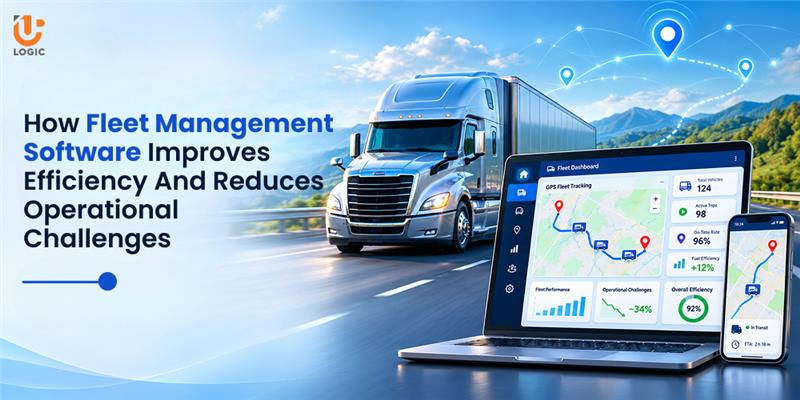
The main challenge in fleet operation is knowing where the vehicles are. How they are being used and whether they are running as expected. When the managers depend on phone calls or manual updates, obtaining accurate information can take considerable time. In this case, choosing the right fleet management software development services helps businesses to gain better visibility into their fleet via centralized vehicle tracking and operational dashboards.
Some important capabilities include:
- Vehicle location tracking: Monitor vehicle locations through integrated GPS tracking systems.
- Trip history: Review previous journeys, travel distances, and vehicle movements.
- Vehicle status monitoring: Access information about vehicle availability and operational status.
- Fleet utilization reports: Understand how frequently vehicles are being used.
- Centralized dashboards: View important fleet information without switching between multiple systems.
Simplifies Vehicle Maintenance and Reduces Downtime
Sometimes unexpected vehicle breakdowns interrupt scheduled operations, delay deliveries, and increase repair expenses. Most businesses depend entirely on reactive maintenance and often struggle to identify potential problems before they affect vehicle availability. Fleet management software helps fleet business owners to move towards a more organized maintenance approach.
Key maintenance management capabilities include:
- Scheduling vehicle servicing based on mileage, usage, or time intervals.
- Maintaining digital records of previous repairs and inspections.
- Sending reminders for upcoming maintenance requirements.
- Recording vehicle defects and repair requests.
- Tracking maintenance activities and service completion.
For example, when a vehicle approaches its scheduled service interval, the system can notify the responsible team. Managers can arrange maintenance before the vehicle develops a major issue. This proactive approach helps reduce avoidable downtime, improve vehicle reliability, and maintain consistent fleet operations.
Strengthens Driver Management and Accountability
Driver-related issues can have a direct impact on fleet productivity. Unplanned vehicle use, unsafe driving habits, lack of communication, and lack of trip reporting are some challenges faced by fleet owners. Businesses can use best fleet management software to organize driver information and track relevant metrics.
Based on the integrations, businesses can integrate the following features.
- Driver profiles and document management
- Driver-to-vehicle assignment records
- Trip activity and driving history
- Driver inspection submissions
- Report safety using integrated telematics or dashcam
- Performance reports and activity monitoring for drivers
This capability aids managers in knowing what drivers are doing and what they’re responsible for.
Helps Control Fuel Consumption and Operating Expenses
The most recurring expense for every fleet business is fuel. Issues like unnecessary idling, inefficient routes, unauthorized fuel expenses, and excessive vehicle usage can affect profitability. With fleet management software, businesses can understand where fuel-related inefficiencies occur.
Some capabilities are:
- Recording fuel purchases and consumption details
- Monitoring mileage and fuel efficiency
- Identifying excessive vehicle idling
- Generating fuel expense reports
- Reviewing trip distances and fuel usage patterns
- Integrating fuel cart or telematics data when supported
Fleet managers can compare fuel consumption among various vehicles to identify unusual usage patterns. They can then investigate possible causes, such as poor vehicle condition, inefficient driving habits, or unnecessary trips.
Having access to organized fuel data helps businesses establish better spending controls and make informed decisions about fleet expenses.
Improves Route Planning and Daily Scheduling
Inefficient route planning results in longer travel times, delayed service delivery, and unnecessary fuel consumption. These issues are complex to manage if businesses coordinate with multiple vehicles across different locations. Fleet vehicle management software with GPS integration and route planning helps managers to organize vehicle movements more effectively.
Its operational benefits include:
- Planning routes based on destinations and delivery requirements.
- Assigning vehicles according to availability and location.
- Monitoring trip progress through GPS integration.
- Identifying route delays and unexpected deviations.
- Reviewing completed trips to improve future scheduling.
Consider a logistics business handling several deliveries in one day. Instead of coordinating every assignment manually, managers can use route information and vehicle availability to organize delivery schedules more efficiently.
Better route coordination helps reduce unnecessary travel, improve vehicle utilization, and support timely service delivery.
Automates Fleet Documentation and Administrative Tasks
Fleet operations have many reports, including vehicle inspection reports, maintenance records, fuel receipts, driver documents, and compliance information. Managing these records manually is time-consuming. Sometimes it can also lead to missing documents, duplicate entries, and difficulties retrieving information when required. Fleet management software simplifies documentation via digital record management.
Businesses can use it to:
- Store insurance details and vehicle registration
- Maintain digital inspection records
- Record repair and maintenance activities
- Organize driver information and required documents
- Set reminders for document renewals and important deadlines
- Generate operational reports automatically
Centralized documentation makes important information easier to access and reduces the administrative effort involved in managing fleet records. It also helps businesses maintain consistent documentation practices as their operations grow.
Supports Better Business Decisions Through Fleet Analytics
Making fleet-related decisions without proper operational data can lead to inefficient resource allocation and unnecessary expenses. Fleet management solutions convert collected operational information into reports and dashboards that help business owners and managers understand fleet performance.
Some important performance indicators businesses can monitor are:
- Measure vehicle utilization rate
- Evaluate fuel efficiency
- Examine maintenance expenses spent on vehicles
- Measures vehicle downtime
- Analyze driver performance and safety-related trends
- Provide a complete overview of recurring fleet expenses
By reviewing these metrics regularly, managers can identify performance gaps, allocate resources more effectively, and plan future fleet requirements.
Data-driven decisions also help businesses understand whether their existing fleet operations can support increasing customer demand.
Makes Fleet Operations Easier to Scale
When a business grows, there are more vehicles, drivers, and other operational locations to coordinate. As the business expands, processes that function well for a small fleet can become challenging. Fleet management software offers a structured operational setting that can help your company expand. A centralized platform can assist in organizing the increasing volumes of vehicle records, allocate duties, control processes in various places, and keep consistent workflows. It also reduces the duplication of coordination between departments. In the transportation industry, if a company wants to expand a new service in a new area, they should track vehicle availability and schedule services to various locations from a centralized fleet information base. Scalable digital processes can help availability handle their expanding operations without adding undue complexity to fleet management.
Final Thoughts
The key to fleet efficiency is managing fleets, drivers, maintenance, and resources effectively. Having these tasks carried out with a set of disconnected tools and manual workflows, even simple tasks are challenging.
The presence of fleet management software brings all these activities together and makes it easier to track vehicles, schedule maintenance, push performance, manage fuel usage, and perform administration.
For business owners and fleet operators, the decision on building the right software is more than just to digitize current processes. If you are looking to build fleet management software for your business, Uplogic is the top fleet management software company. Our solutions enhance business operations by boosting productivity, accountability, and sustained business development.
With the growing changing of fleet requirements, we also build custom fleet management software for companies looking to set up more efficient processes and run their operations with confidence.
FAQ
Fleet management software improves business efficiency by automating routine tasks, tracking vehicle activity, monitoring drivers, and providing operational insights via centralized dashboards.
Fleet management software reduces operational costs by identifying unnecessary fuel consumption, minimizing vehicle downtime, and reducing manual administrative work.
The best practices for improving fleet management efficiency are following the below practices:
1.Establish Clear Maintenance Procedures
2.Use Data to Drive Decisions
3.Automate Routine Tasks
4.Train and Engage Drivers
5. Monitor and Review Regularly